
Category: Blog
-
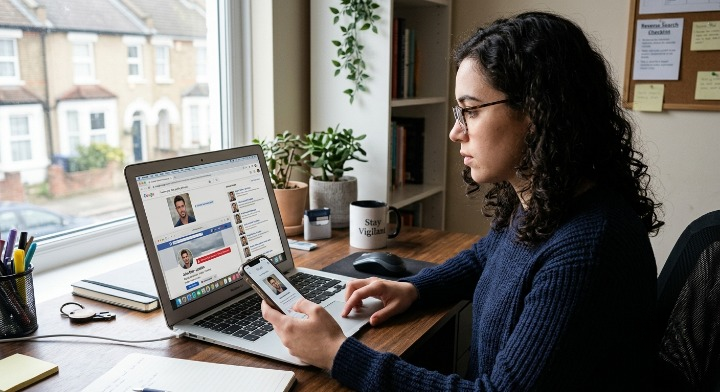
Scammers rarely use their own face. The “trader,” “advisor,” or new romantic interest messaging you online is often hiding behind fake scammer pictures lifted from a model’s portfolio, a stock photo site, or a real person’s public social media. A reverse image search takes seconds and can confirm whether a profile picture is stolen —…
-
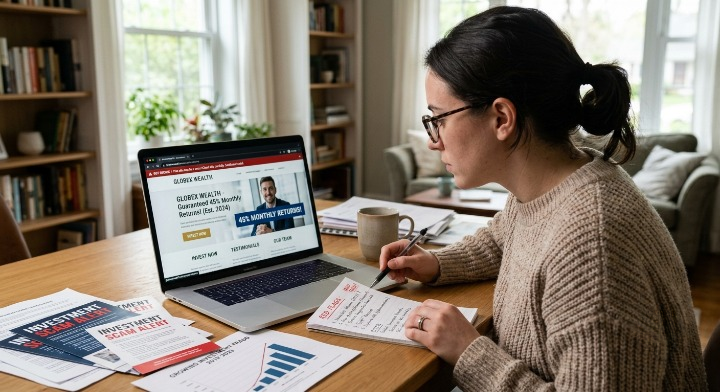
What Is a Scammer Website? A scammer website is any site built to imitate a real financial service — a broker, exchange, or investment fund — to collect deposits it never intends to return. The fastest way to check one is to verify its regulator license number directly on the regulator’s own register (not a…
-
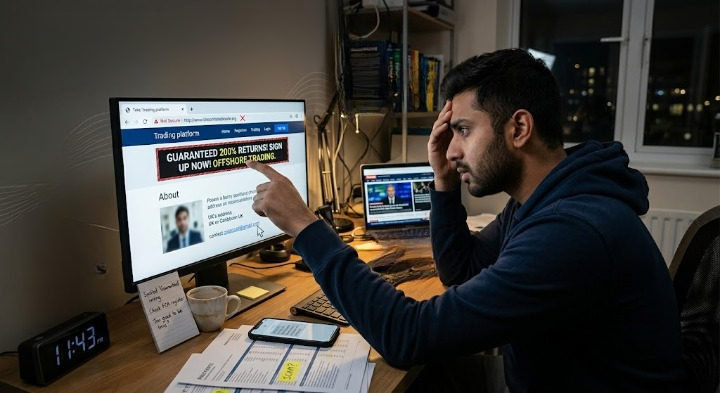
Every year, traders lose money to fraudulent brokers and investment platforms that look convincing on the surface. Traders Defense reviews broker registrations, regulatory filings, and complaint records as part of our verification process. Below are the checks that consistently separate real platforms from scammer websites. What Are the Fastest Ways to Tell If a Website…
-
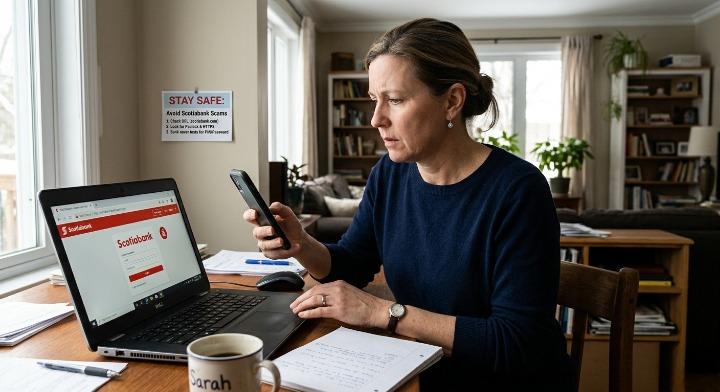
Scotiabank itself is not running a scam — but fraudsters routinely impersonate Scotiabank through phishing emails, smishing texts, spoofed calls, and fake websites to steal login credentials, PINs, and money. These scotia bank fraud campaigns are designed to look official, which is exactly what makes them dangerous. Scotiabank never asks customers to confirm passwords or…
-

Losing money to a digital currency scam can leave you feeling stressed, embarrassed, and unsure of where to turn. If you believe you’ve been targeted by a fraudulent platform or investment scheme, understanding your options for digital currency scam refund help is an important first step. While outcomes vary and recovery is never guaranteed, acting…
-

Automated trading technology is transforming how people participate in the financial markets. What once required a trader glued to multiple screens, reacting in real time to every price tick, is increasingly handled by algorithms that execute trades in milliseconds. As artificial intelligence, machine learning, and big data converge, automated trading is no longer reserved for…
-

Choosing a broker is one of the most consequential decisions a trader makes, yet it’s often rushed. With hundreds of forex, stock, crypto, and CFD brokers competing for attention, it’s easy to get swayed by flashy bonuses, low advertised fees, or a slick platform interface without digging into what actually matters. The problem is that…
-
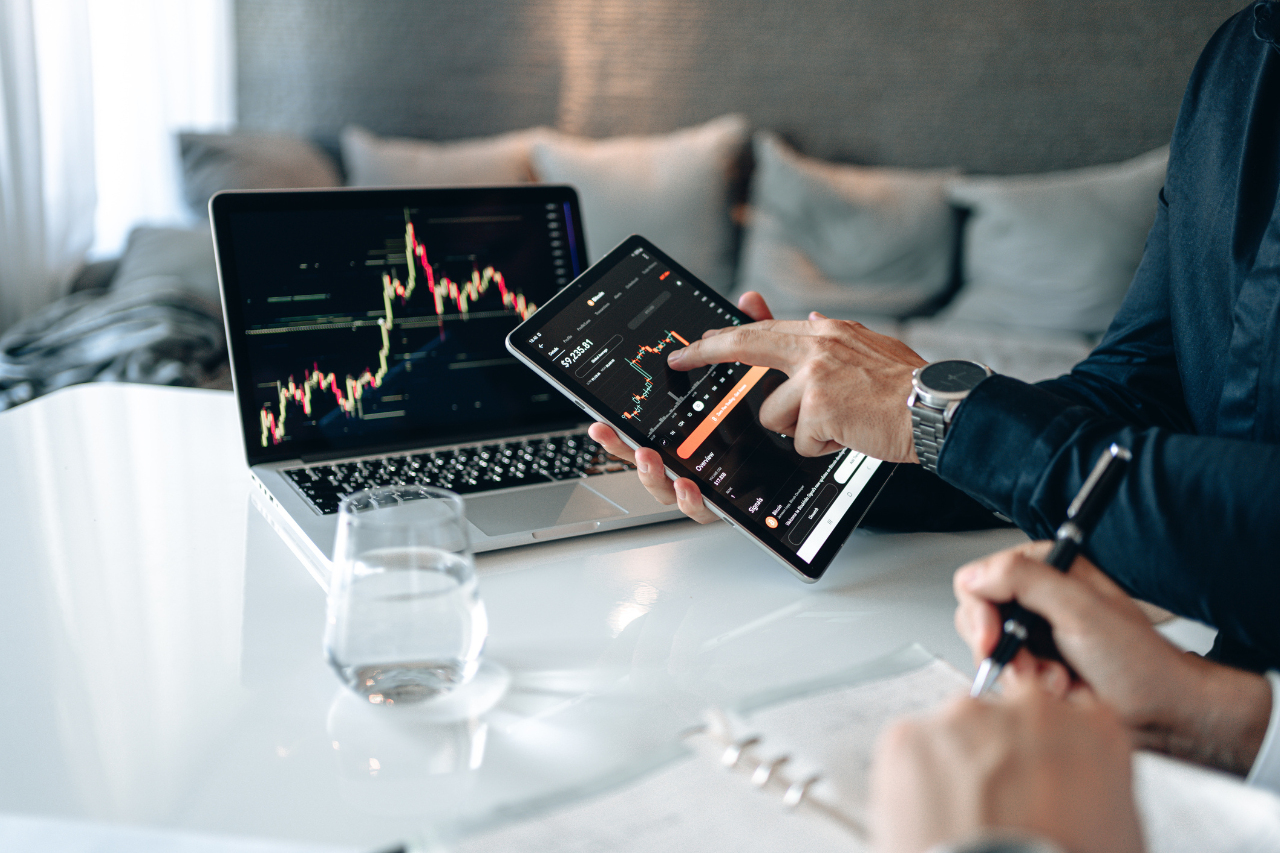
The line between traditional brokerages and digital asset platforms has blurred significantly over the past few years. Stock and forex brokers now routinely offer crypto trading alongside equities, while crypto-native exchanges have added stocks, CFDs, and even retirement accounts to their offerings. For traders, this overlap creates a real decision: stick with a traditional brokerage…
-

Trading involves risk by nature, but the risk of losing money to a bad trade should never be compounded by the risk of losing money to a poorly secured platform. Every year, traders lose funds not because the market moved against them, but because a broker’s account security was weak, a platform was breached, or…
-
Most traders can quote the headline fee their broker charges — a commission per trade, or a spread on a major pair — but far fewer can say with confidence what they actually paid in total over a month of trading. That gap matters. Fee structures in forex, stock, crypto, and CFD trading are rarely…