
Category: Blog
-
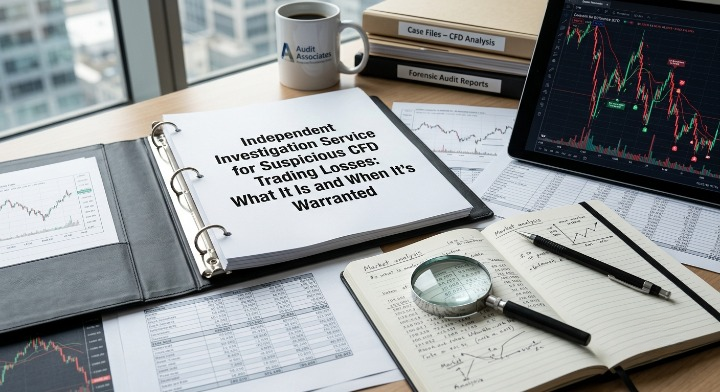
Losing money while trading Contracts for Difference (CFDs) is, statistically, the normal outcome. Regulators in multiple jurisdictions have found that the majority of retail CFD accounts lose money over time, largely because of leverage, spreads, and the short-term, volatile nature of the underlying markets. Most losses are simply the cost of trading a high-risk product…
-
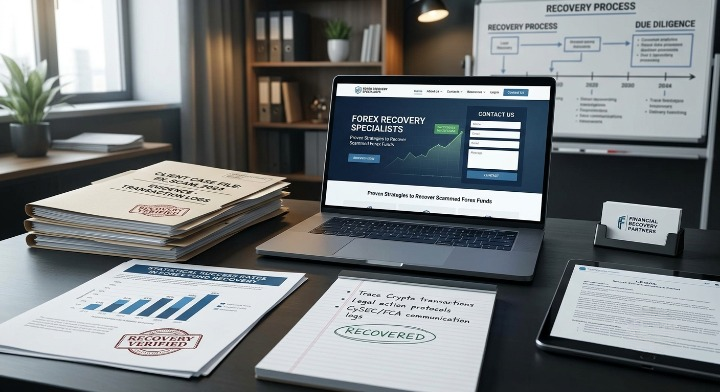
Losing money to a fraudulent or unauthorized forex broker is distressing enough on its own. Once a person’s details end up on a “sucker list” of scam victims, it’s common for them to be contacted again — this time by someone claiming they can recover the lost funds, in exchange for an upfront “processing fee,”…
-

What is cryptocurrency? Cryptocurrency is a digital asset secured by cryptography and, in most cases, recorded on a blockchain network rather than issued by a central bank. Unlike traditional currency, it is typically decentralized, and its value, regulation, and risk vary by asset and jurisdiction. For readers new to digital assets, the terminology can be…
-
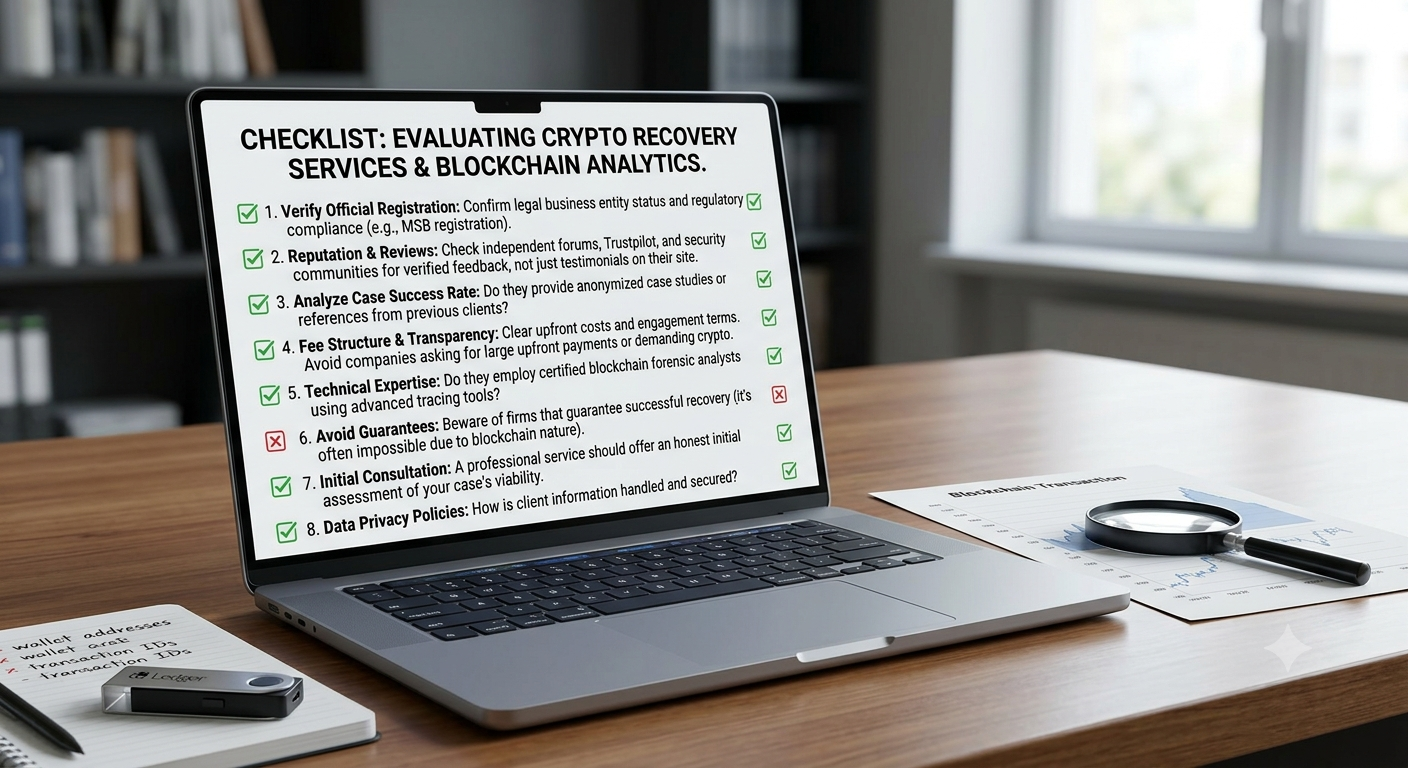
Legitimate crypto recovery companies are firms that assist victims of scams, hacks, or lost-access incidents through blockchain analysis, transaction tracing, digital evidence collection, and coordination with legal or law enforcement channels. They do not promise guaranteed outcomes. Because blockchain transactions can sometimes be traced but not always reversed or recovered, results depend heavily on individual…
-
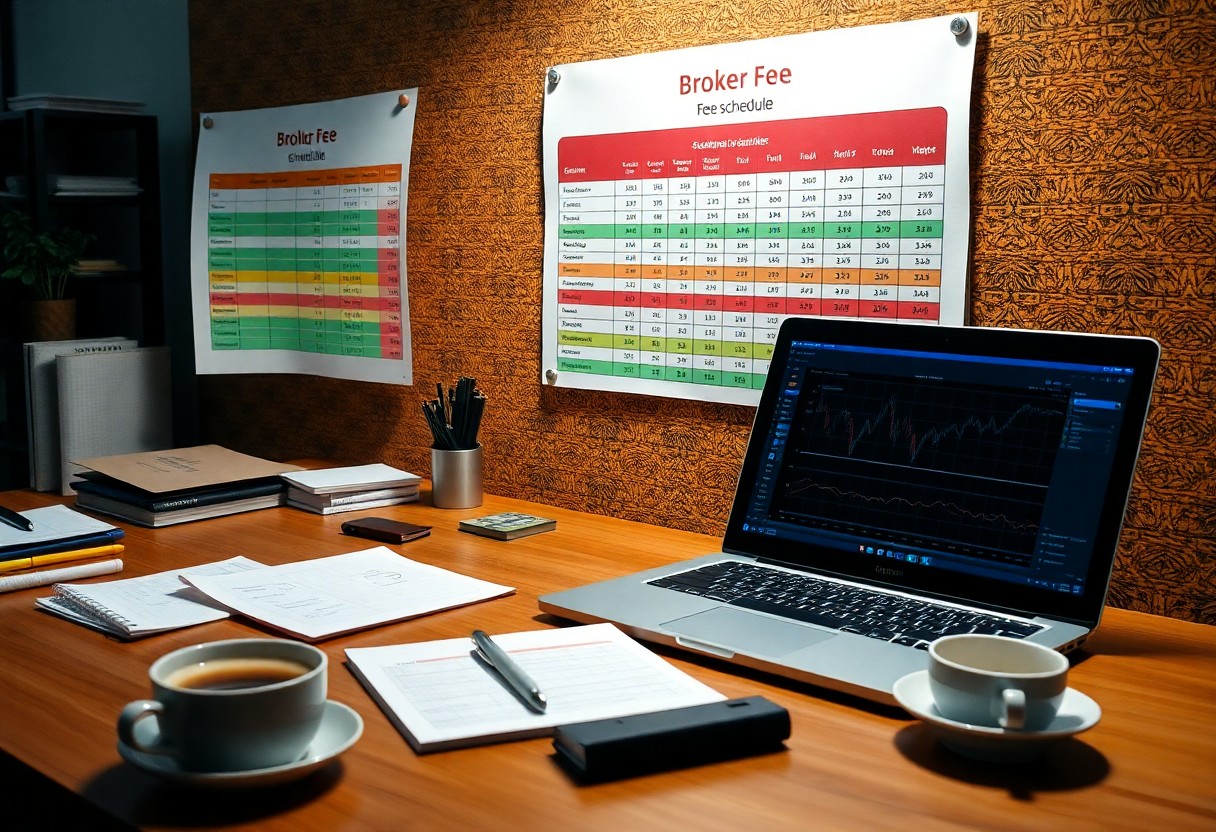
Choosing a broker based on marketing claims alone is risky. Advertised “low fees” or “commission-free” banners rarely tell the full story — the real cost of trading is spread across several line items that only show up once you read a broker’s official fee schedule, account terms, and product disclosures. This article explains what fee…
-
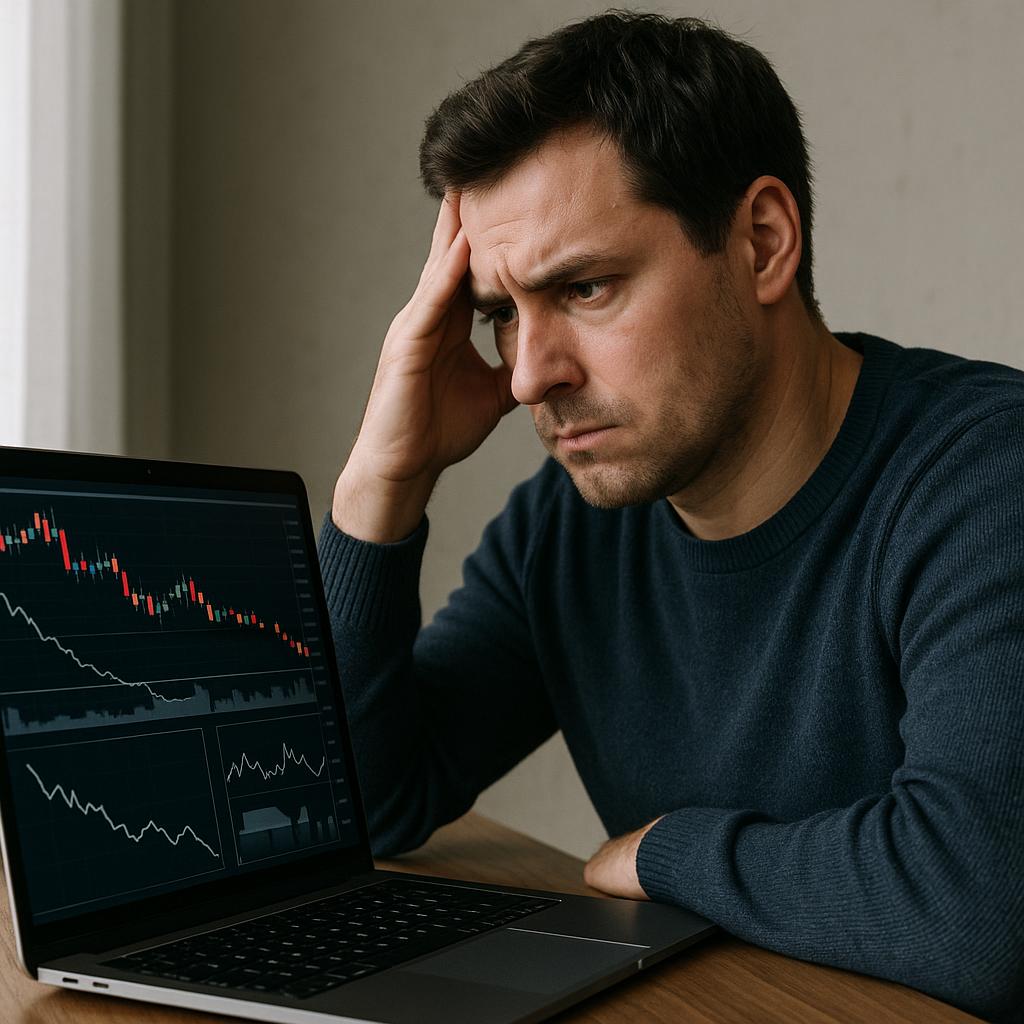
A blocked or delayed withdrawal is one of the most stressful situations a trader can face — and one of the most common complaints reported about online brokers. Before assuming the worst, it helps to understand that withdrawal problems have a range of causes, from routine compliance checks to serious red flags. This guide walks…
-
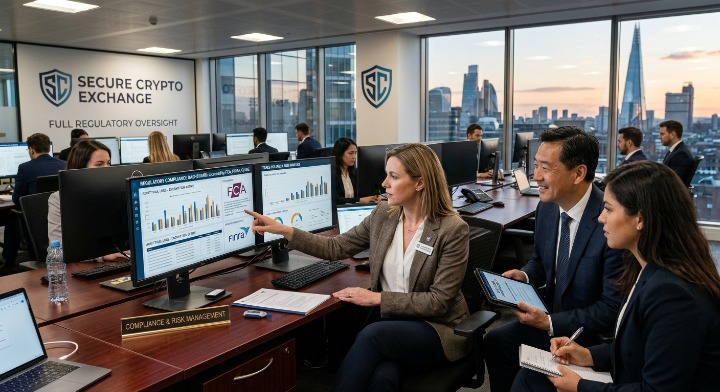
Cryptocurrency trading carries risks that go beyond price volatility. Because digital assets sit at the intersection of financial regulation, technology, and custody, the broker a trader chooses can materially affect how well their funds and personal data are protected. Regulatory oversight matters because it introduces external accountability — licensing requirements, capital rules, auditing, and complaint-handling…
-
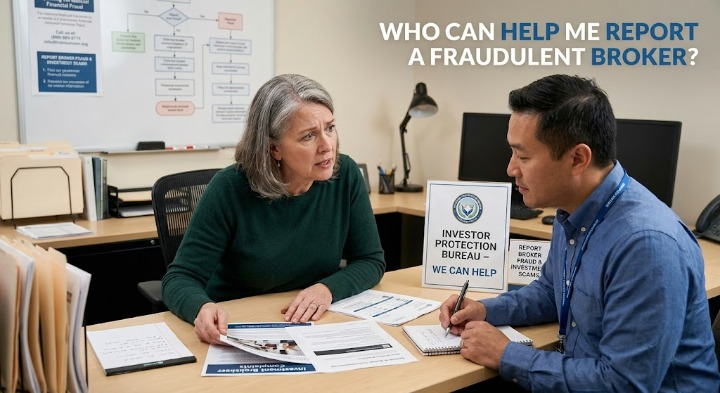
If you believe you’ve encountered a fraudulent or unauthorized broker, you can report it to the financial regulator overseeing the broker’s claimed jurisdiction — such as the FCA, ASIC, CySEC, FINMA, AFM, CSSF, or the Central Bank of Ireland — or to your national financial crime or consumer protection authority if the broker is unregulated…
-
Choosing an online broker is one of the few financial decisions where the paperwork can matter as much as the trading platform. A polished website, competitive spreads, and responsive customer support do not by themselves show whether a broker is legitimate or whether your funds are adequately protected. Before depositing money, check the broker’s regulatory…
-

A clone firm is not a copycat with a similar-sounding name — it is a direct impersonation. Fraudsters take a legitimate firm’s real Firm Reference Number (FRN), address, and sometimes staff names, then build a near-identical website or send emails pretending to be that company. Because the underlying details check out against public registers, even…